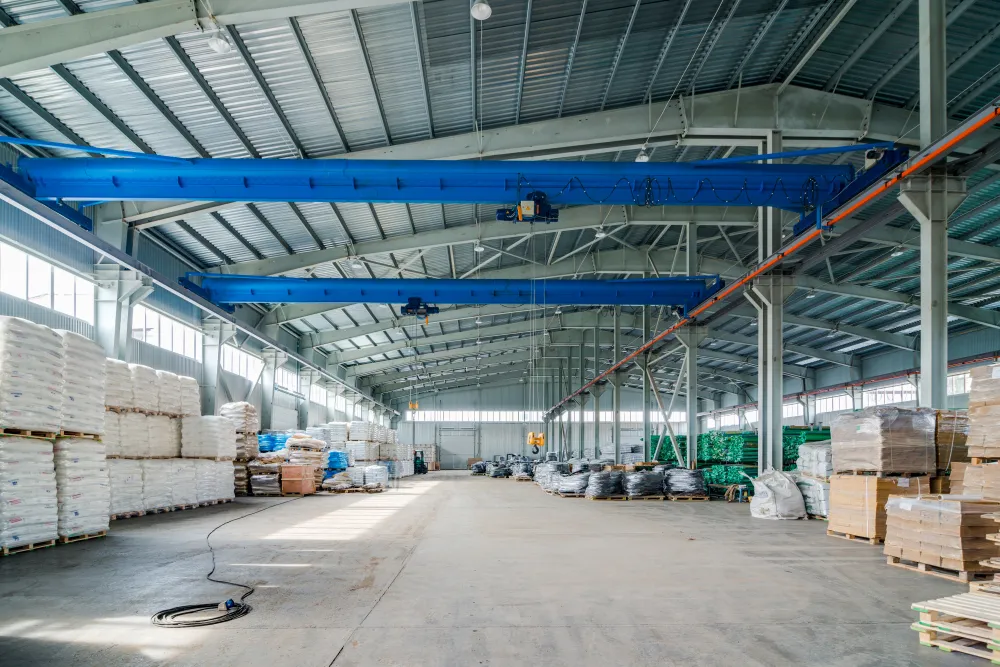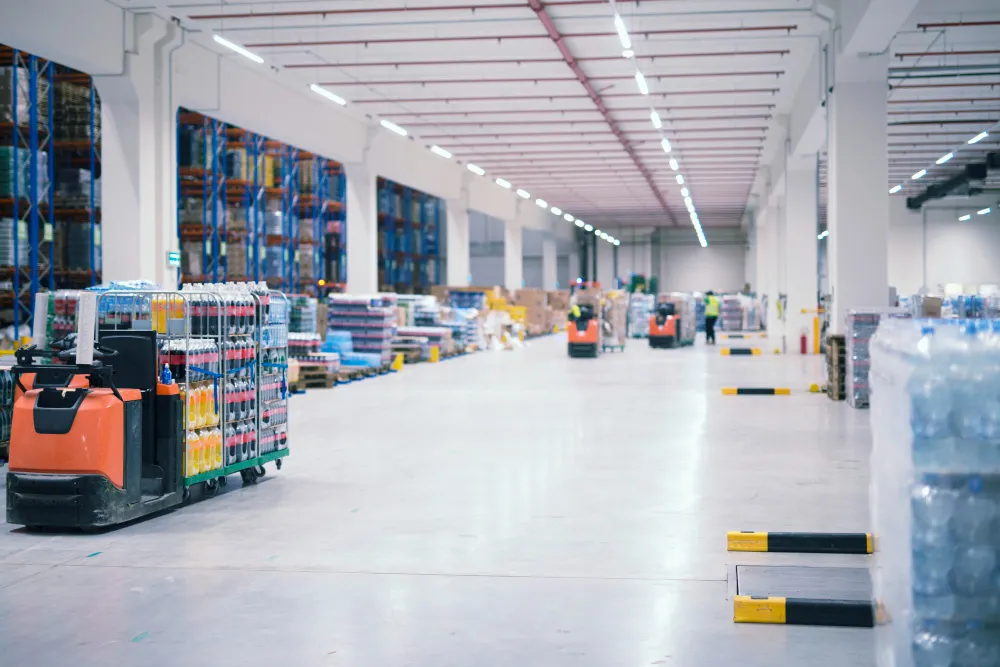
Introduction
As logistics and manufacturing industries continue to evolve in Kenya, the role of warehousing has become more important than ever. Businesses are no longer simply looking for storage space. They are looking for facilities that improve efficiency, reduce operational costs, and support long term growth.
An efficient warehouse can directly impact productivity, delivery timelines, inventory management, and overall business performance.
So what exactly makes a warehouse efficient for logistics and manufacturing operations?
Strategic Location and Connectivity
A warehouse positioned near key transport infrastructure helps businesses reduce transit time, fuel costs, and delivery delays.
Important infrastructure includes major highways, ICDs, SGR terminals, and airports such as JKIA.
Efficient Truck Access and Movement
Efficient warehouses should include wide internal roads, dedicated loading zones, adequate turning space, and smooth entry and exit flow.
These features improve turnaround time and reduce congestion.
High Clear Heights for Better Storage Capacity
Modern warehouses maximize vertical space through higher clear heights, improving storage efficiency and flexibility.
Smart Warehouse Layouts
Efficient layouts reduce unnecessary movement and improve productivity.
Important considerations include logical operational flow, wide column spacing, and efficient loading dock positioning.
Reliable Utilities and Infrastructure
Efficient warehouses should provide reliable power supply, water systems, internet connectivity, and fire safety systems.
Sustainability and Energy Efficiency
Modern warehouses increasingly include hybrid solar power, energy efficient lighting, water recycling systems, and low flow fixtures.
These features reduce operating costs and support sustainability goals.
Security and Operational Safety
Businesses should look for CCTV surveillance, controlled access points, perimeter security, and well lit operational areas.
Scalability and Flexibility
Warehouses should support future growth through flexible layouts, expandable space, and multiple unit size options.
Accessibility to Labour and Industrial Ecosystems
Locations with access to labour, suppliers, logistics providers, and industrial support services create stronger operational ecosystems.
What This Means for Logistics and Manufacturing Businesses
Efficient warehouses improve operations through lower costs, faster turnaround times, better inventory management, and long term scalability.
Evaluating Warehouse Space More Strategically
Businesses should evaluate warehouse efficiency, infrastructure, and operational value rather than focusing only on rent.
Explore Modern Warehouse Solutions
Businesses exploring warehouse space around Nairobi and Athi River should consider developments designed for modern operational needs.