Introduction
When businesses evaluate warehouse space, the focus is often placed on rental costs, location, and available square footage. However, warehouse infrastructure has a major impact on daily operations and long term profitability. Understanding these hidden costs can help businesses make smarter decisions when selecting warehouse space.
Increased Transportation Costs
Poor warehouse infrastructure can lead to longer delivery routes, increased fuel consumption, higher fleet maintenance costs, and delays in receiving and dispatching goods.
Reduced Truck Turnaround Times
Narrow roads, limited loading areas, and poor circulation create congestion, leading to longer waiting times, reduced delivery capacity, and lower operational efficiency.
Higher Labour Costs
Inefficient layouts and poor workflows increase the time required to complete tasks, resulting in higher staffing requirements, overtime expenses, and reduced productivity.
Inefficient Use of Storage Space
Older facilities often have low clear heights and inefficient layouts that limit storage capacity and increase occupancy costs.
Increased Energy Consumption
Outdated infrastructure can lead to high electricity bills, increased maintenance costs, and inefficient utility usage.
Inventory Management Challenges
Poor layouts can contribute to inventory inaccuracies, product damage, slower stock retrieval, and increased stock losses.
Security Related Losses
Inadequate security infrastructure can result in theft, unauthorized access, increased insurance costs, and operational disruptions.
Limited Scalability
Older facilities may struggle to accommodate growth, forcing businesses to lease additional space, relocate, or invest in costly modifications.
The Cost of Lost Productivity
Employees operating in inefficient environments often experience reduced productivity, slower order fulfillment, and lower operational performance.
Why Modern Warehouse Infrastructure Matters
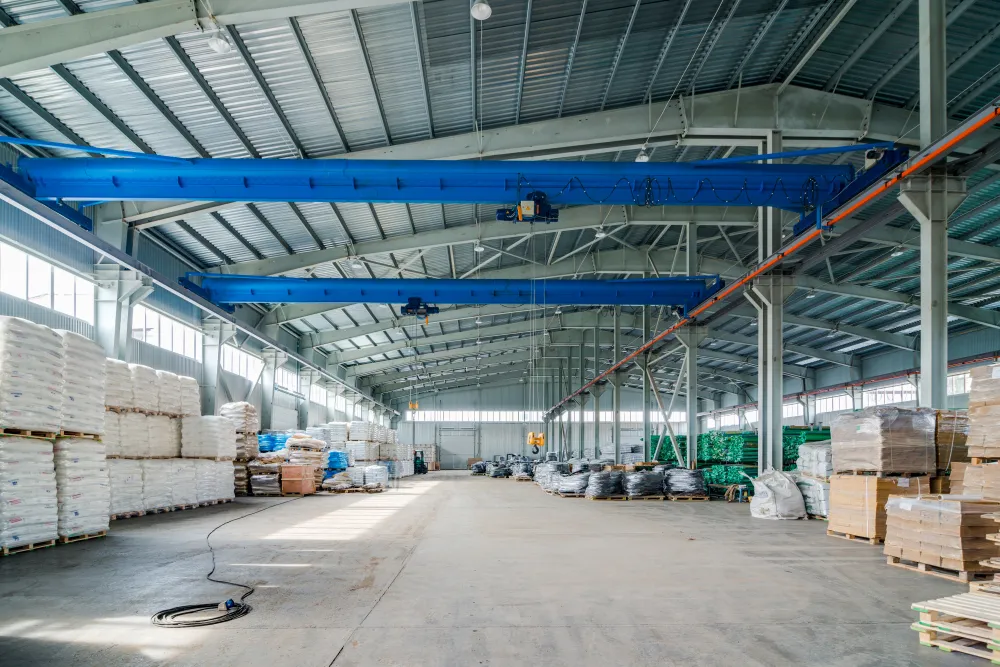
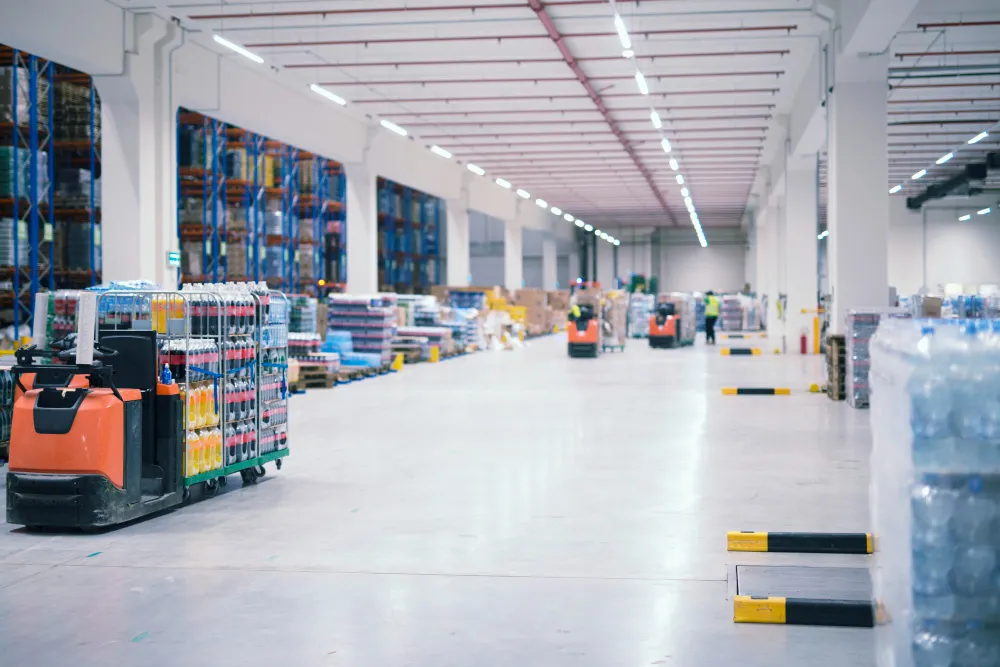
Modern developments include high clear heights, wide roads, efficient loading zones, reliable utilities, sustainability systems, and advanced security features that support cost savings and productivity.
What This Means for Your Business
The true cost of a warehouse extends beyond rent and includes transportation, labour, energy, productivity, and scalability considerations.
A Smarter Way to Evaluate Warehouse Space
When comparing warehouse options, businesses should evaluate operational efficiency, storage capacity, utility systems, and future growth potential.
Explore Modern Warehouse Solutions
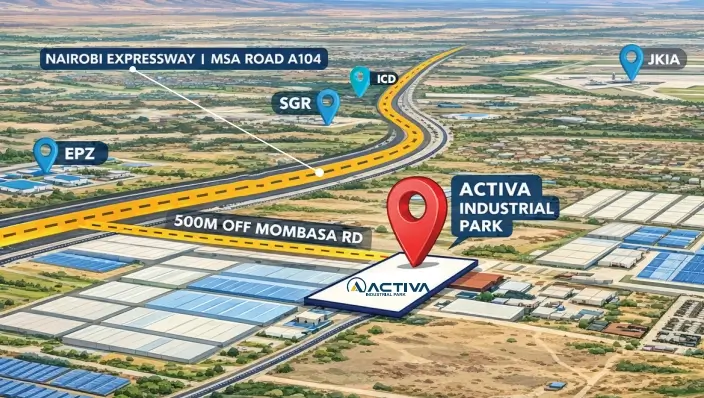
Businesses exploring warehouse space around Nairobi and Athi River should consider developments that prioritize efficiency, scalability, and modern infrastructure.