Introduction
As Kenya’s logistics, manufacturing, and distribution sectors continue to expand, the role of warehousing has become increasingly critical to business success. Today, companies are no longer simply looking for storage space—they are seeking facilities that enhance operational efficiency, reduce costs, improve supply chain performance, and support long-term growth.
An efficient warehouse can have a direct impact on productivity, inventory management, delivery timelines, and overall business profitability. For logistics providers, manufacturers, and distributors, selecting the right warehouse is therefore a strategic business decision rather than a simple real estate transaction.
So, what exactly makes a warehouse efficient for modern logistics and manufacturing operations?
1. Strategic Location and Connectivity
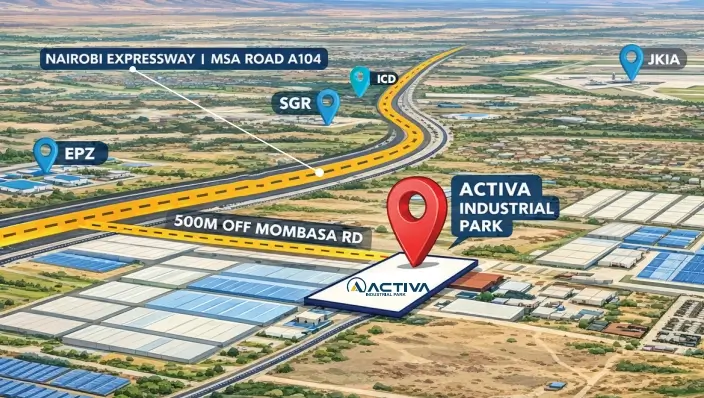
Location remains one of the most important factors when evaluating warehouse space. Facilities positioned close to major transport infrastructure help businesses reduce transit times, lower fuel costs, and improve service delivery.
Key considerations include proximity to:
- Major highways and transport corridors
- Inland Container Depots (ICDs)
- Standard Gauge Railway (SGR) terminals
- Jomo Kenyatta International Airport (JKIA)
- Industrial and commercial hubs
A strategically located warehouse enables businesses to move goods faster while improving supply chain reliability.
2. Efficient Truck Access and Movement
Warehouse efficiency extends beyond the building itself. The surrounding infrastructure should facilitate seamless movement of trucks and goods.
Important features include:
- Wide internal roads
- Dedicated loading and offloading bays
- Adequate turning and maneuvering space
- Separate entry and exit points
- Efficient traffic flow within the development
These elements help reduce congestion, improve turnaround times, and support smoother daily operations.
3. High Clear Heights for Maximum Storage Capacity
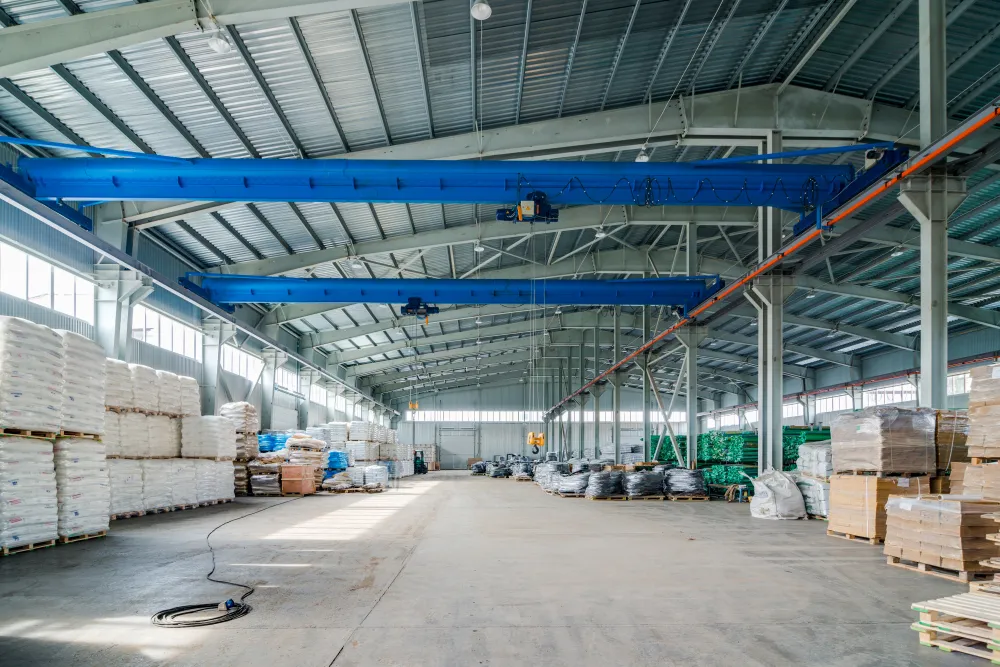
Modern warehouses are designed to maximize vertical storage capacity. Higher clear heights allow businesses to install racking systems that optimize the use of available space.
Benefits include:
- Increased storage density
- Improved inventory organization
- Reduced footprint requirements
- Greater operational flexibility
For growing businesses, vertical storage can significantly improve efficiency while minimizing expansion costs.
4. Smart Warehouse Layouts
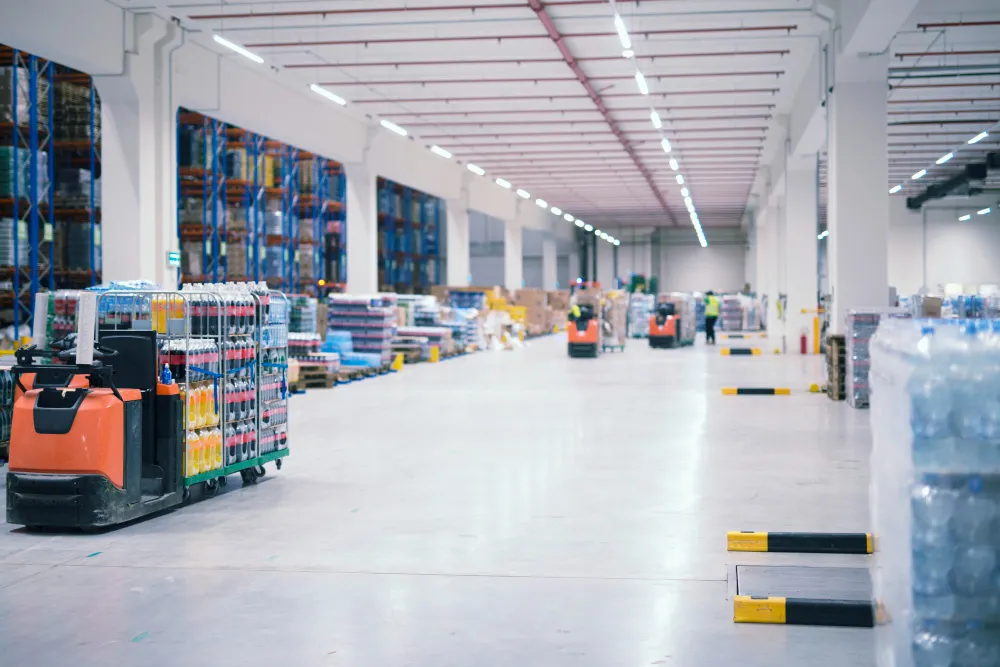
A well-designed warehouse layout minimizes unnecessary movement and improves workflow efficiency.
Key design considerations include:
- Logical movement of goods from receiving to dispatch
- Wide column spacing for operational flexibility
- Efficient loading dock placement
- Adequate circulation areas
- Clear segregation of operational zones
An optimized layout reduces handling times and enhances overall productivity.
5. Reliable Utilities and Infrastructure
Operational downtime can be costly for logistics and manufacturing businesses. Reliable infrastructure is therefore essential.
Businesses should look for warehouses that provide:
- Stable power supply
- Reliable water systems
- High-speed internet connectivity
- Fire detection and suppression systems
- Backup utility solutions where applicable
Infrastructure reliability directly contributes to business continuity and operational performance.
6. Sustainability and Energy Efficiency
Sustainability is increasingly becoming a business priority, particularly as companies seek to reduce operating costs and meet environmental goals.
Modern warehouse developments often incorporate:
- Solar power systems
- Energy-efficient lighting
- Water recycling initiatives
- Low-flow water fixtures
- Sustainable building materials
These features help lower utility costs while supporting corporate sustainability objectives.
7. Security and Operational Safety
Protecting inventory, equipment, and personnel is a critical consideration for any industrial facility.
Key security features include:
- CCTV surveillance systems
- Controlled access points
- Perimeter security
- Well-lit operational areas
- Fire safety compliance
- Emergency response systems
A secure environment reduces risk and enhances business confidence.
8. Scalability and Flexibility
As businesses grow, their space requirements often change. An efficient warehouse should be capable of adapting to future operational needs.
Features that support scalability include:
- Flexible warehouse layouts
- Expandable floor areas
- Multiple unit size options
- Ability to accommodate specialized fit-outs
This flexibility allows businesses to scale without the disruption of relocating.
9. Access to Labour and Industrial Ecosystems
Successful industrial developments are often located within established business ecosystems that provide access to labour, suppliers, logistics providers, and support services.
Being part of a thriving industrial hub can improve operational efficiency, reduce procurement costs, and create valuable business synergies.
Why Power Reliability Matters More Than Ever
One of the most significant challenges facing industrial occupiers today is operational downtime resulting from power outages. Even brief interruptions can affect production schedules, inventory management systems, cold storage facilities, and overall productivity.
This is where modern industrial developments can create a meaningful competitive advantage.
At Activa Industrial Park, businesses benefit from a hybrid power infrastructure combining grid connectivity with solar energy solutions. This approach helps enhance power reliability while reducing long-term energy costs. In addition, the solar capacity can be customized and expanded to meet the specific operational requirements of individual occupiers, ensuring that businesses have access to a power solution tailored to their needs.
Evaluating Warehouse Space More Strategically
When selecting industrial space, businesses should look beyond rental rates and consider the broader operational value of a facility. Factors such as infrastructure quality, power reliability, accessibility, scalability, security, and efficiency can have a far greater impact on long-term business performance than rental costs alone.
Explore Modern Warehouse Solutions
As Kenya’s industrial sector continues to evolve, businesses need facilities that are designed for modern operational demands. Whether supporting manufacturing, logistics, warehousing, or distribution activities, the right warehouse can become a strategic asset that drives efficiency, growth, and competitive advantage.
For businesses exploring industrial space around Nairobi and Athi River, choosing a development that combines modern infrastructure, reliable utilities, and future-ready design can create significant long-term value.